
Surfaces Built for Pool Exposure
Pool Deck Installation in Jupiter for properties where slip resistance and heat management affect daily pool use
Pool decks in Jupiter face constant exposure to chlorinated water, direct sun, and foot traffic moving between wet and dry zones, conditions that accelerate surface wear and create slip hazards when materials aren't selected for this specific use. Palm Beach Contracting Services installs pool decks using materials and surface treatments that remain slip-resistant when wet and manage heat absorption so the deck stays cooler underfoot during peak sun hours. The installation process accounts for how water drains off the deck and away from the pool structure, preventing erosion and standing water that compromise both safety and longevity.
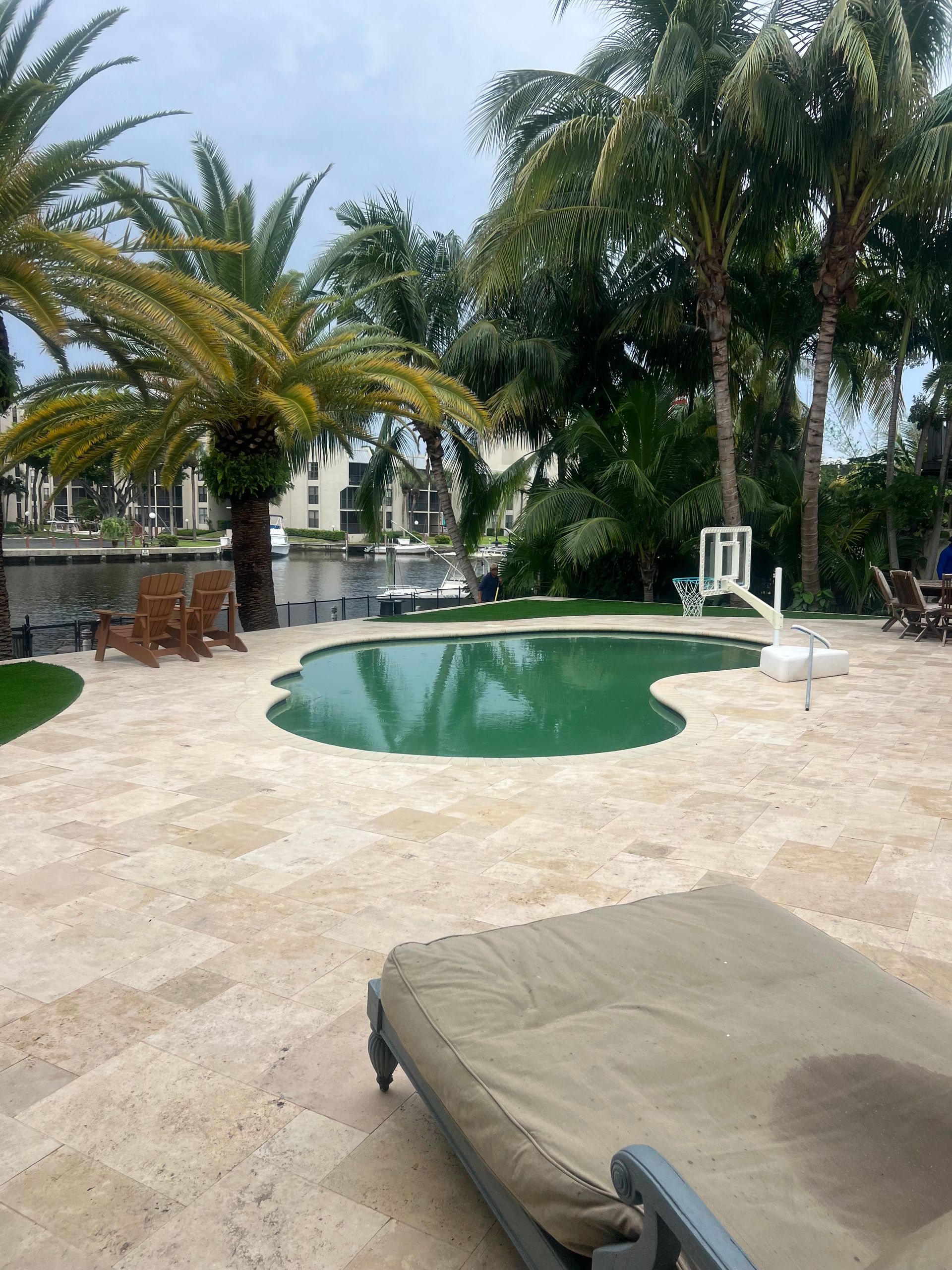
The work begins with grading the area around the pool to establish drainage slopes that direct water away from the coping and toward perimeter drains or landscaped swales. Material selection includes options like textured concrete, cool-deck coatings, travertine pavers, and brushed finishes, each offering different levels of slip resistance, heat reflection, and maintenance requirements. The surface finish determines how quickly the deck dries after swimmers exit the pool and how much heat builds up during afternoon sun exposure.
Arrange an on-site consultation to review drainage requirements and material performance for your pool area.
How Surface Texture and Drainage Work Together
Surface texture is created through brushing, stamping, or selecting materials with natural texture variations, and the texture depth affects both traction and how water sheets off the deck. Palm Beach Contracting Services matches the texture profile to your pool's usage pattern—decks with high traffic from children or elderly users receive deeper textures for added grip, while low-traffic areas can use finer finishes that are easier to clean. Drainage channels or trench drains are positioned at low points around the pool perimeter to capture runoff before it saturates surrounding soil or landscaping.
After installation, you'll notice that water moves off the deck surface quickly without pooling in low spots, the deck remains noticeably cooler to walk on barefoot compared to standard concrete, and the textured surface provides secure footing even when wet. The transition between the pool coping and the deck appears seamless, with consistent material height and no trip edges.
The installation also includes joint placement and expansion gap spacing to accommodate thermal movement as the deck heats and cools throughout the day, preventing cracking from temperature fluctuations. Sealers or topical treatments may be applied depending on the material type, adding an additional layer of protection against chlorine exposure and UV degradation.
Common Questions About This Service
Homeowners planning pool deck projects often need clarity on how material choices and installation methods affect both immediate usability and long-term performance in continuous wet conditions.
- What makes a pool deck slip-resistant when wet? Slip resistance comes from surface texture created through brushing, stamping, or selecting materials like travertine that have natural roughness, and the texture must be deep enough to maintain grip without being uncomfortable on bare feet.
- How does the deck surface stay cooler in direct sun? Light-colored materials reflect more heat than dark surfaces, and specialty coatings or aggregates can be added to concrete to reduce heat absorption, keeping the deck surface 10 to 15 degrees cooler during midday exposure.
- Why is drainage slope critical around a pool? Water that pools on the deck or drains back toward the pool structure can saturate the soil beneath the deck, causing settling and erosion, and proper slope ensures runoff moves toward planned drainage points instead.
- What preparation is required before installing the deck surface? The subgrade is excavated, compacted, and graded to the required slope, and a base layer of gravel or crushed stone is added to create a stable foundation that resists shifting as the ground absorbs and releases moisture.
- How do you know the deck will drain properly once finished? Walking the deck perimeter while water is applied shows whether runoff moves toward drains without reversing direction or collecting in low spots, confirming that the slope was set correctly during installation.
Palm Beach Contracting Services provides project planning that includes material samples, slip-resistance testing results, and site-specific drainage solutions. Schedule a consultation to review your pool deck options and receive a proposal tailored to your property's layout and usage requirements.


